
The Gates Foundation
pushes to make more academic research free and open to the public
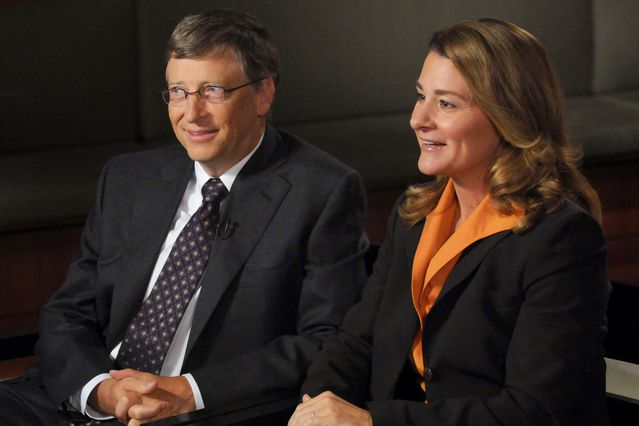
- Starting in January 2017, the Bill & Melinda Gates Foundation will require all of the research it funds to be published in a manner that is free for the public to read, according to a recent statement.
- The Gates Foundation rules are in conflict with current policies at many top journals such as Science, which generally charge for access for at least the first few months.
- Still, the organization has a lot of clout and may be able to push for more open access.
How the Gates Foundation is pushing for open access
The Gates Foundation spends about $900 million each year funding scientific research — which results in about 1,400 research papers on various aspects of global health.Under the new policy, the researchers that the organization funds will only be able to publish papers that are immediately freely accessible to the public. That means that these scientists wouldn't necessarily be able to publish in top journals like Science that charge for access to its articles — unless these journals change their policies or open up those particular papers. And, since the Gates Foundation funds so much research, there will be pressure on these journals to do so (or else they'll lose out on potentially important papers).More specifically, these rules will go into full effect by 2017. The articles will have to be free for anyone to use or build upon in any way, including for commercial purposes.This open policy is more extensive than most major biomedical funders — including the US National Institutes of Health, which only requires results to be free a year after publication.The Gates Foundation's policy is part of a growing movement called "open access," which promotes making research findings and data freely available to the public.This is part of a trend toward open access
Researchers generally want their papers to be read by as many people as possible. But the journals that publish those papers are, in many cases, for-profit institutions — and they prefer charging for access.Lately, however, the Open Access movement has been fighting to make more and more research free to the public. And they're succeeding. Here's a snapshot of what was freely available to the public in 2010, sorted by discipline:/cdn0.vox-cdn.com/uploads/chorus_asset/file/2369632/Screen_Shot_2014-10-19_at_4.00.43_PM.0.png)
The big black line shows the percentage of papers in all subjects published between 1998 and 2006 that was freely available. But there's also great variation between different types of research. Topping the open list are mathematics, social sciences, and Earth sciences — each has 30 percent or more of its 2006 papers free. But compare that to clinical medicine, which is less than 5 percent.Some of this variation is because of different research cultures. For example, many physicists have been posting pre-publication manuscripts on a public website called arXivsince 1991, so it's not a surprise that physics (designated by blue crosses on the chart) also tends to have more of its peer-reviewed papers freely available.By contrast, clinical medicine and biomedical papers were some of the least likely to be freely available — at least when this chart was made. One possible reason why? Many medical institutions are willing to pay big bucks for access.It's worth noting that even that is changing, however. In 2008, the National Institutes of Health began requiring papers generated by the research it funded (which is taxpayer money) to be freely available to the public a year after publication or earlier. That's opened up a large chunk of biomedical research.The chart comes from a 2012 UNESCO report on the practice of open access, which the organization strongly encourages as a way to spread knowledge and information worldwide:Through Open Access, researchers and students from around the world gain increased access to knowledge, publications receive greater visibility and readership, and the potential impact of research is heightened. Increased access to, and sharing of knowledge leads to opportunities for equitable economic and social development, intercultural dialogue, and has the potential to spark innovation.Further reading: Hat tip to Cristobal Cobo for calling my attention to this chart. Go to his website for a discussion of various business models that could keep open publishing sustainable.Update: This story was updated to provide more clarity about the specific requirements of the Gates Foundation's new policy.
